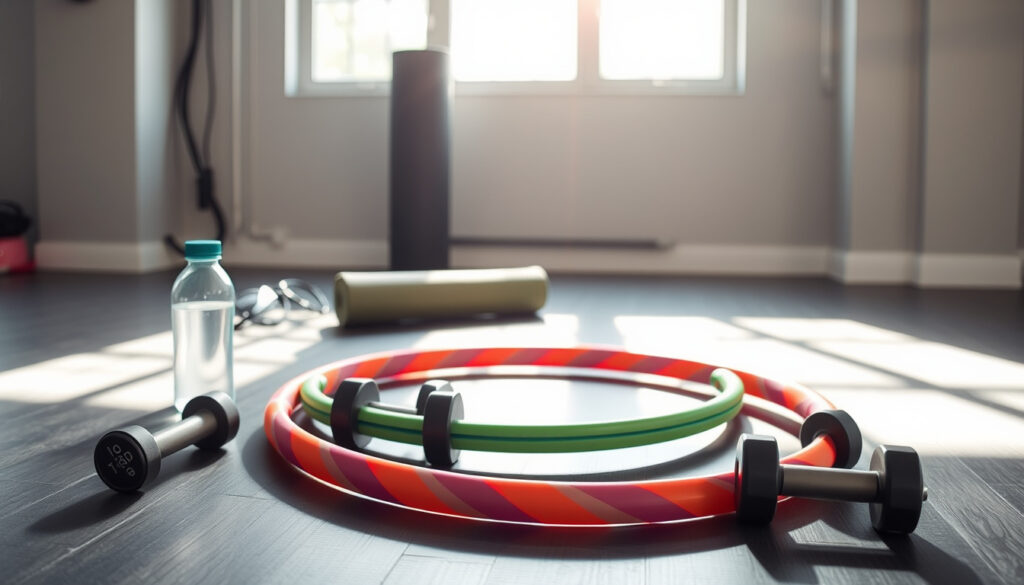
Hula Hoop – Benefits, Buying Guide and Fitness Tips
The hula hoop has been a playground favourite for decades, but in recent years it has found a new identity as a serious fitness tool. Weighted hoops, smart hoops, and dedicated workout routines have turned a simple childhood toy into a low-impact exercise option that can engage the core, burn calories, and improve balance. At the same time, the name “Hula Hoops” also refers to a popular snack brand, which can cause confusion for online shoppers. This article separates fact from friction, covering the benefits of hula hooping, how to choose the right hoop, and why crisps have nothing to do with fitness.
Whether you are looking to tone your midsection, add variety to your cardio routine, or simply understand the difference between a weighted hoop and a bag of potato snacks, the information below is based on published research, expert commentary, and verified product specifications.
What are the benefits of hula hooping for fitness?
Hula hooping is often described as a low-impact cardio and core workout. When performed consistently, it can help burn calories, strengthen the midsection, and improve some measures of body composition. The research base, though limited, points to several measurable benefits.
- Hula hooping burns approximately 200–300 calories per 30 minutes, depending on intensity and body weight.
- Weighted hula hoops (1–2 kg) are more effective for core strengthening and muscle toning than lighter hoops.
- The hula hoop has ancient origins, used in Greece and Egypt over 3,000 years ago.
- Hula Hoops crisps are a potato-based snack owned by KP Snacks, unrelated to the toy.
- Decathlon and Amazon offer a wide range of hula hoops for all skill levels, with prices from £10 to £40.
- Consistent practice over weeks, not single sessions, produces the fitness improvements reported in studies.
- Weighted hoops require more skill to control but deliver greater muscle activation and calorie burn.
| Fact | Detail |
|---|---|
| Origin | Ancient Greece/Egypt, c. 500 BC |
| Modern popularisation | 1950s by Wham-O |
| Calories burned (30 min) | 200–300 |
| Weighted hoop range | 0.5–2 kg |
| Best for | Core strength, cardiovascular fitness, balance |
| Common retailers | Decathlon, Amazon, specialist fitness stores |
| Hula Hoops crisps | Separate product, snack brand, not a toy |
Where to buy a hula hoop: Decathlon, Amazon, and other options
What to look for when buying a hula hoop
For beginners, the main buying decision is usually hoop weight, size, and comfort. Heavier hoops are easier to keep moving but can be less comfortable, while lighter hoops require more skill and effort. WebMD notes that weighted hula hoops typically weigh 1 to 4 pounds. Beginners generally do better with the lighter end of that range.
Ease of spinning is another key factor. A hoop that is easier to keep moving is usually more beginner-friendly. Comfort matters as much as weight because the hoop contacts the waist and hips repeatedly. If your goal is cardio and calorie burn, a slightly heavier hoop may feel more stable; if you want skill learning and less soreness, start lighter.
New to hooping? Choose a lighter, larger, comfortable hoop. Already coordinated or want more resistance? Move up gradually in weight. If you bruise easily, prioritise comfort and lighter weight first.
Weighted vs regular hoops
Weighted hula hoops provide more resistance, leading to greater muscle activation and calorie burn, but they require more skill to control. A 2019 study found that weighted hooping reduced abdominal fat and increased trunk muscle mass compared with walking in overweight or obese participants. The same research reported a reduction in LDL (“bad”) cholesterol in the hooping group. Sources also note improvements in balance, posture, neuromuscular control, and stability.
Sizing guide
A general rule for adults: a hoop diameter between 90–100 cm is recommended. For children, 70–80 cm. Taller individuals may need larger hoops. The hoop should reach roughly between your waist and chest when standing upright.
Where to buy: Decathlon and Amazon
Both Decathlon and Amazon stock a wide range of hula hoops, from basic plastic models to weighted fitness hoops. When comparing products, look at the weight range (1–4 lb for beginner to intermediate), hoop diameter, padding and materials, assembly quality, and return policy. Prices generally range from £10 to £40.
Specific listings and prices change frequently. Use the weight and comfort criteria above to evaluate any product, regardless of retailer.
What are Hula Hoops crisps?
Hula Hoops crisps are a brand of potato-based snack produced by KP Snacks. They are shaped like small rings, which is why the name overlaps with the toy. The snack brand is not related to the fitness or toy hula hoop in any way. KP Snacks confirms that Hula Hoops are a savoury snack, not a fitness product. This distinction is important for anyone searching for hula hoops online, as results will include both the toy and the crisps.
What is the history of the hula hoop?
- c. 500 BC – Hoop twirling documented in ancient Greece and Egypt.
- 1957 – Wham-O introduces the modern plastic hula hoop, sparking a global craze.
- 1960s – Hula hoop becomes a fitness tool, used in schools and exercise programs.
- 2000s – Weighted hula hoops emerge for enhanced fitness benefits.
- 2020s – Hula hooping remains popular as a low-impact workout; smart hoops with tracking appear.
What is well-established and what remains uncertain about hula hooping?
| Established information | Information that remains unclear |
|---|---|
| Hula hooping burns calories and improves core strength (supported by studies). | Claims of specific inch loss in waist circumference are not consistently proven. |
| Weighted hoops increase muscle activation. | Optimal hoop weight for individual users varies by fitness level and body type. |
| Hula Hoops crisps are a snack food, not a fitness toy. | The long-term effects of regular weighted hooping on joint health have not been studied in depth. |
What is the dual meaning of ‘hula hoop’ and its market context?
The term “hula hoop” can refer to a toy or a fitness tool, and also to a branded snack. This article focuses on the fitness and toy product, with a section clarifying the snack brand. The fitness market for hula hoops has grown due to home workout trends, with weighted hoops being a top seller. Decathlon and Amazon dominate online retail, featuring both budget and premium options. Smart hula hoops with calorie tracking and workout apps are gaining traction, and hula hoop fitness classes and online communities continue to grow.
Where does the information about hula hoops come from?
The key sources for this article include Wikipedia for historical and general facts, Healthline for benefits, and the NHS for exercise guidelines. The 2019 clinical trial is published in the PMC database. Additional reporting on calorie burn and core strength comes from GoodRx and Women’s Health.
“Weighted hula hooping is a low-impact cardio and core workout that can help burn calories, strengthen the midsection, and improve some measures of body composition, especially when practiced consistently.”
– GoodRx, based on ACE reporting
What is the bottom line for hula hooping?
Weighted hula hoops can be a legitimate low-impact workout for cardio, core engagement, and calorie burn. The best-supported measurable benefits are waist reduction, trunk muscle gains, and some LDL improvement in small studies. For beginners, the safest purchase is usually a lighter, comfortable hoop that is easy to keep spinning. For more detail on the research behind these claims, see the Weighted Hula Hoop Research & Benefits article.
Frequently Asked Questions
What is the history of the hula hoop?
The hula hoop dates back to ancient Greece and Egypt, where hoops were made from vines and used for play. Modern plastic hoops were popularised by Wham-O in 1958.
How do I use a hula hoop correctly?
Stand with feet shoulder-width apart, place the hoop around your waist, and rotate your hips in a circular motion. Keep your back straight and use your core muscles.
Does hula hooping help with weight loss?
Yes, hula hooping can contribute to weight loss when combined with a healthy diet, as it burns calories and increases heart rate.
What size hula hoop should I buy?
A general rule: for adults, a hoop diameter between 90–100 cm is recommended. For kids, 70–80 cm. Taller individuals may need larger hoops.
Are weighted hula hoops better than regular hoops?
Weighted hoops (1–2 kg) provide more resistance, leading to greater muscle activation and calorie burn, but they require more skill to control.
Can hula hooping cause bruising?
Yes, especially at first. The repeated contact can bruise the waist or hips. Starting with shorter sessions and using a padded or lighter hoop can help.
Is hula hooping good for core strength?
Yes. Weighted hooping forces the abdominal, oblique, and lower-back muscles to stabilise the body, which can strengthen the core over time.
Are Hula Hoops crisps the same as the toy?
No. Hula Hoops crisps are a potato-based snack brand owned by KP Snacks. They are unrelated to the fitness toy.
More related posts
 Man City Transfer News – Summer 2024 Ins and Outs
 Edinburgh Things to Do – Best Free Attractions, Kids Activities and Itinerary
 All of Us Strangers – Complete Guide to Cast, Book and Ending
 Jean Johansson – Biography, Age, Husband, and Career Facts
 Anne Hegerty – Biography, Relationship, IQ, and Health Truths
 Alex Brooker – Biography, Disability, Wife and Net Worth
 Julie Hogg – The Murder That Ended Double Jeopardy in the UK
 Daniel Ricciardo – F1 Career, Wins and Retirement in 2025
