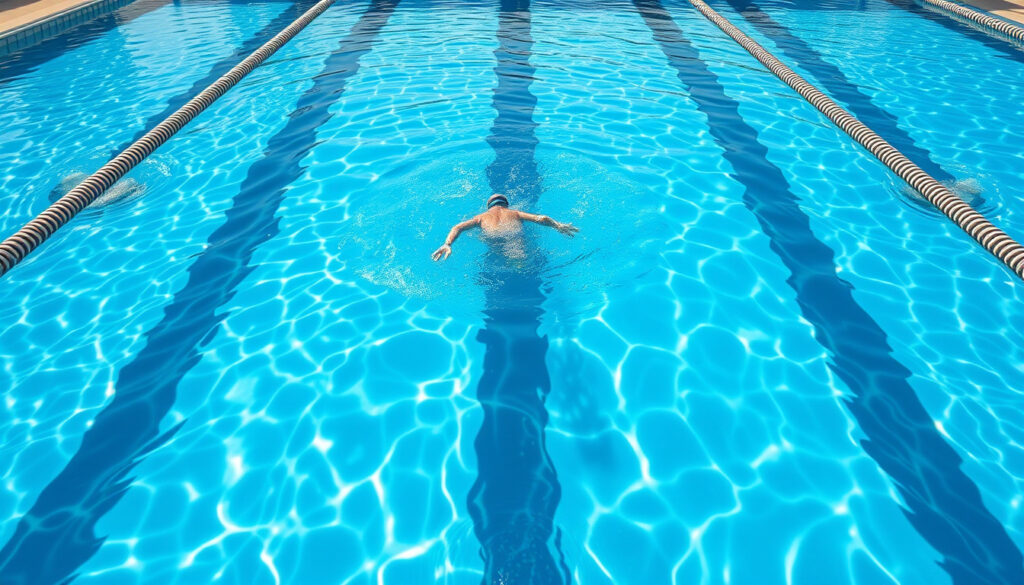
Is Swimming Good for Weight Loss – Calories, Strokes & Results
Swimming routinely surfaces as one of the most recommended forms of exercise for people looking to shed pounds. The activity engages nearly every major muscle group while placing minimal stress on joints, making it accessible to a wide range of fitness levels. But how effective is it really for weight loss, and what do the numbers say about calorie burn?
This guide breaks down the science behind swimming and weight loss, compares different strokes, and provides practical advice for beginners and those transitioning from high-impact exercises. Whether you are starting from scratch or simply curious about adding laps to your routine, the information below can help you make an informed decision.
Is Swimming Effective for Weight Loss?
The short answer is yes. Swimming burns a substantial number of calories and builds lean muscle tissue at the same time. Since water provides resistance in every direction, even a moderate swimming session works the arms, core, legs, and back more intensely than many land-based exercises. This dual effect—calorie burning combined with muscle development—makes swimming a strong candidate for anyone aiming to create a calorie deficit.
Beyond calorie burn, the low-impact nature of water significantly reduces the risk of injuries that often derail weight loss efforts. Joint pain, which frequently prevents people from running or doing high-impact cardio, tends to be less of an issue in a pool. The buoyancy of water supports the body, allowing movements that might be difficult or painful elsewhere.
400–700 per hour depending on stroke and intensity
Full-body workout, low impact, builds muscle
Requires pool access, technique affects efficiency
People with joint issues, beginners, obese individuals
Swimming burns roughly twice the calories of walking at a moderate pace. The muscle built through regular sessions can slightly elevate resting metabolism over time. For those with joint sensitivities or mobility limitations, swimming often becomes the most sustainable cardio option available.
| Stroke | Calories per 30 Minutes (155 lb adult) | Key Benefit |
|---|---|---|
| Butterfly | 450 | Highest calorie burn; tones chest, arms, core |
| Freestyle | 300 | Fastest stroke; tones stomach, shoulders, back |
| Backstroke | 250 | Easy breathing; improves posture |
| Breaststroke | 200 | Joint-friendly; sustainable for longer sessions |
How Much Weight Can You Lose from Swimming?
The amount of weight lost depends on several variables, including starting weight, session intensity, frequency, and diet. A commonly cited estimate suggests that burning 3,500 calories through exercise or deficit results in approximately one pound of fat loss. At 400 to 700 calories burned per hour, a person swimming three to five times weekly could create a meaningful weekly deficit.
Those new to exercise should set realistic expectations. Initial progress often shows up first as improved endurance and muscle toning rather than dramatic weight changes on the scale. Combining swimming with a balanced diet accelerates results considerably. No specific before-and-after studies were directly available, but fitness experts consistently note that swimming’s muscle-building effect helps the body look leaner even before significant weight loss occurs.
How Many Calories Does Swimming Burn?
Calorie expenditure during swimming varies based on body weight, swim technique, effort level, and fitness background. In general, a moderate swimmer weighing around 155 pounds burns between 400 and 700 calories per hour, according to data tracked across multiple fitness sources.
The butterfly stroke stands out as the most calorie-intensive option, burning approximately 450 calories per 30 minutes for an average adult. Freestyle follows at roughly 300 calories per 30 minutes, while backstroke and breaststroke sit slightly lower. These figures represent typical estimates for moderate effort; individual results will differ.
Factors That Influence Calorie Burn
Body weight plays a significant role. Heavier individuals tend to burn more calories because their bodies require more energy to move through water. Conversely, trained swimmers may burn fewer calories than beginners for the same stroke and duration because their bodies move more efficiently in the water.
Technique quality also matters considerably. Poor form reduces the efficiency of movement, which paradoxically increases energy expenditure. However, the goal should be building sustainable technique that allows longer, more productive sessions rather than deliberately swimming badly to burn more calories.
Focus on long, smooth strokes rather than rushing through laps. Efficient technique builds endurance, allowing longer sessions that burn more total calories without exhausting the body prematurely.
Best Swimming Strokes and Workouts for Weight Loss
Each swimming stroke engages different muscle groups and produces distinct metabolic demands. Selecting the right stroke—or rotating through several—depends on your fitness level, goals, and physical limitations.
Butterfly Stroke
Butterfly burns the most calories per session due to its demanding simultaneous arm and leg movements. It engages the chest, stomach, arms, and back intensely, providing excellent toning alongside calorie burn. However, butterfly requires significant upper body strength and is considered the most technically challenging stroke. Most beginners will need months of practice before swimming it comfortably.
Freestyle (Front Crawl)
Freestyle strikes a practical balance between calorie burn and accessibility. As the fastest competitive stroke, it allows swimmers to maintain higher speeds for longer durations, which supports endurance building. It tones the stomach, glutes, shoulders, and back effectively. Most swimming lessons include freestyle instruction early on, making it the most approachable stroke for newcomers.
Backstroke
Swimming on the back offers a unique advantage: breathing comes naturally without turning the head. This makes backstroke comfortable for people with neck or shoulder concerns. It tones the stomach, legs, arms, shoulders, and hips while improving posture. Calorie burn sits around 250 calories per 30 minutes, slightly lower than freestyle but still effective.
Breaststroke
Breaststroke ranks as the best stroke for beginners and obese individuals. The wide, gliding arm movements feel natural and allow longer sessions without fatigue. It tones the thighs, upper back, triceps, chest, and legs while providing excellent cardiovascular benefits. Calorie burn averages around 200 calories per 30 minutes, making it sustainable for extended workouts.
Sample 30-Minute Workout for Beginners
- Warm-up (5 minutes): Easy breaststroke or backstroke to prepare the body
- Main set (20 minutes): Alternate 50 meters of freestyle or breaststroke with 30-second rest periods; focus on maintaining proper form throughout
- Cool-down (5 minutes): Slow backstroke to help posture and promote muscle recovery
For obese beginners, starting with 10 to 15 minutes of continuous movement often works better than attempting a full 30-minute session immediately. Water buoyancy provides natural support, which can build confidence faster than starting with land-based exercise.
Obese individuals or those with significant joint pain should consult a healthcare provider before beginning any new exercise program. Starting with shorter sessions and gradually extending duration reduces the risk of overexertion or injury.
Swimming vs Other Exercises for Weight Loss
Comparing swimming to other forms of cardio reveals both strengths and limitations of each approach.
Swimming vs Running
Running at a moderate pace typically burns 300 to 400 calories per 30 minutes, figures that compare favorably with many swimming strokes. However, running carries a higher impact load on knees, hips, and ankles. The repetitive pounding nature of running increases injury risk, particularly for heavier individuals or those with joint sensitivities.
Swimming excels in toning because water resistance works muscles in ways land exercise cannot replicate. The continuous core engagement required to maintain position in the water activates abdominal muscles throughout every session. For belly fat specifically, the freestyle and butterfly strokes engage the core most effectively, though spot reduction remains a myth. Visceral fat loss occurs through overall calorie deficit and muscle building rather than targeting specific areas.
Running may burn more calories for already-fit individuals who can maintain higher intensities on land. However, swimming often proves more sustainable for those who cannot run comfortably due to weight or joint issues.
Swimming vs Other Low-Impact Cardio
Compared to cycling or elliptical training, swimming generally burns a similar or slightly higher number of calories while providing superior full-body engagement. The resistance element that water creates means muscles work continuously rather than relying primarily on lower-body movement. This makes swimming particularly effective for people seeking total-body conditioning alongside weight loss.
How Often Should You Swim to Lose Weight?
Consistency matters more than intensity when establishing a sustainable swimming routine. General fitness guidelines suggest aiming for three to five swimming sessions per week to create and maintain a meaningful calorie deficit. For more information on how to lose weight by swimming, see vad blodtrycket ska ligga på.
Beginners might start with two or three sessions weekly and gradually increase frequency as endurance builds. Attempting to swim daily from the outset often leads to fatigue, technique deterioration, or burnout. Rest days between sessions allow muscles to recover and adapt.
Duration matters as much as frequency. Sessions of 30 to 60 minutes at moderate intensity typically produce the best results for weight loss. Shorter sessions can still contribute meaningfully, particularly when starting from a very low fitness baseline. The goal is building a habit that can be maintained over months rather than weeks.
Building a Sustainable Routine
Successful long-term swimming routines typically incorporate variety. Rotating through different strokes challenges different muscle groups and prevents boredom. Mixing high-intensity intervals with longer, steady-state sessions optimizes both calorie burn and aerobic capacity.
Technique improvement over time also affects results. As swimming efficiency increases, swimmers can maintain higher speeds or longer distances without increased fatigue, potentially burning more calories per session. Working with a coach or following structured workout plans accelerates this improvement.
What to Expect: A Realistic Timeline
Progress timelines vary considerably based on individual circumstances, but general patterns emerge across many swimmers.
- Week 1–2: Focus on building consistency rather than intensity. Sessions may feel challenging, and endurance increases gradually. Initial water confidence develops during this period.
- Month 1: Most swimmers notice improved stamina and technique. Weight changes at this stage are typically modest, but body composition may begin shifting as muscle develops.
- Months 2–3: Endurance increases noticeably. Sessions can extend to full planned duration comfortably. Some individuals begin seeing visible changes in muscle tone and body shape.
- Months 3–6: Sustained swimming practice typically produces measurable weight loss when combined with dietary adjustments. Muscle definition becomes more apparent across arms, shoulders, and core.
Individual factors including starting weight, genetics, diet quality, and hormonal influences affect how quickly results appear. Some people see visible changes within weeks; others require months of consistent effort before noticing differences.
Myths vs Facts: What Science Actually Says
Several persistent beliefs about swimming and weight loss warrant examination against available evidence.
| Claim | Status | Explanation |
|---|---|---|
| Swimming burns more calories than running | Partially true | Depends on intensity. Moderate swimming and moderate running burn similar calories. Higher-intensity running or swimming changes the comparison. |
| Swimming tones while you lose | Confirmed | The full-body resistance of water builds muscle alongside calorie burn, creating visible toning effects. |
| You can spot-reduce belly fat by swimming | Not supported | Fat loss occurs systemically. No exercise targets abdominal fat specifically, though core engagement builds the muscles underneath. |
| Beginners should avoid swimming | False | Swimming suits most fitness levels. Breaststroke and backstroke offer accessible starting points for obese or sedentary individuals. |
| Diet matters as much as exercise | Confirmed | Weight loss requires calorie deficit. Swimming accelerates deficit creation but diet quality determines sustainability. |
Why Swimming Works: The Science Behind the Benefits
Swimming triggers several physiological responses that support weight management. The cardiovascular system works harder to deliver oxygen while the body maintains its temperature in water, both of which increase energy expenditure. Unlike some exercises that isolate specific muscle groups, swimming engages the core throughout every stroke to maintain proper body position.
The muscle-building effect of regular swimming raises baseline metabolic rate slightly, meaning the body burns more calories at rest over time. This adaptation takes weeks or months to develop but contributes meaningfully to long-term weight management. The low injury risk associated with swimming also supports long-term consistency, which ultimately matters more than brief periods of intense exercise.
Expert Perspectives and Research Sources
Fitness experts from organizations including the American College of Sports Medicine emphasize that swimming provides excellent aerobic conditioning with minimal joint stress. Physiology researchers note that technique quality often matters more than stroke selection, with freestyle representing the most practical option for trained individuals seeking efficient workouts.
The water provides resistance in every direction, requiring continuous muscle engagement throughout the entire body. This makes swimming particularly effective for building functional strength alongside cardiovascular fitness.
The Centers for Disease Control and Prevention recommends regular physical activity for weight management and overall health, noting that activities like swimming offer accessible options for people with physical limitations that prevent other forms of exercise.
Next Steps for Getting Started
For those ready to begin swimming for weight loss, several practical steps can set the foundation for success. Finding pool access—whether at a local recreation centre, gym, or community facility—is the first requirement. Many gyms offer affordable pool access with flexible membership options, making it easier to establish a consistent routine.
Starting with beginner-friendly strokes like breaststroke or backstroke builds confidence before attempting more challenging techniques. Scheduling sessions at consistent times helps establish routine. Tracking progress through duration, distance, or perceived effort provides motivation as improvements accumulate over weeks.
Consulting a healthcare provider before beginning any new exercise program remains advisable, particularly for individuals with existing health conditions, significant weight challenges, or concerns about physical capacity.
Summary
Swimming proves effective for weight loss when performed consistently. The activity burns substantial calories while building muscle and supporting joint health. Different strokes offer varying benefits—butterfly burns the most calories but demands advanced technique, while breaststroke and freestyle provide accessible options for beginners and obese individuals. Combined with a balanced diet, regular swimming sessions three to five times weekly can create the calorie deficit needed for meaningful weight loss over time.
Frequently Asked Questions
Is swimming good for weight loss if overweight?
Yes. Swimming provides an excellent workout option for overweight individuals because water buoyancy reduces joint stress while still burning calories. Starting with shorter sessions of 10 to 15 minutes using breaststroke or backstroke helps build confidence and endurance gradually.
Does swimming tone your body while losing weight?
Swimming builds muscle throughout the body due to water resistance working every movement. This muscle development creates visible toning effects even as weight loss progresses. The core engagement required to maintain position in the water particularly benefits abdominal muscles.
What swimming workouts burn the most fat?
Butterfly burns the most calories per session, followed by freestyle. However, the most effective workout for fat loss combines technique-focused sessions with varied intensity. Alternating between strokes and incorporating interval training maximizes calorie expenditure and muscle engagement.
Can you lose weight swimming 30 minutes a day?
Swimming 30 minutes daily at moderate intensity burns approximately 200 to 450 calories depending on stroke choice and effort level. Combined with dietary awareness, this frequency can contribute meaningfully to weekly calorie deficits and gradual weight loss over months.
Is swimming better than running for weight loss?
Neither is universally better. Running may burn slightly more calories for fit individuals at high intensity, while swimming offers superior low-impact benefits and full-body toning. Swimming often proves more sustainable for people with joint issues or significant weight, while running suits those without such limitations.
How much weight can you lose swimming in a month?
Individual results vary significantly based on starting weight, diet, and exercise consistency. A reasonable expectation ranges from 2 to 8 pounds monthly when combining regular swimming sessions with calorie deficit through diet. Heavier individuals typically see faster initial results.
Does swimming reduce belly fat?
Swimming engages core muscles intensively, particularly during freestyle and butterfly strokes, but cannot spot-reduce fat from the belly specifically. Overall body fat reduction occurs through consistent calorie deficit. The muscle built through swimming helps create a more defined midsection once fat levels decrease.
More related posts
 Carrie Hope Fletcher – Stage Career, Family, Books & YouTube
 Trent Reznor – Biography, Wife, Net Worth, Height and Career
 Things to Do in Scarborough – Top Picks for Families and Couples
 Atticus Shaffer – Height, Wife, Disability, and Net Worth
 Fibre Broadband in My Area – Postcode Checker and Providers
 Sally Bretton – Biography, Husband, Health and Net Worth
 Premier League Table 2023/24 – Full Standings and Analysis
