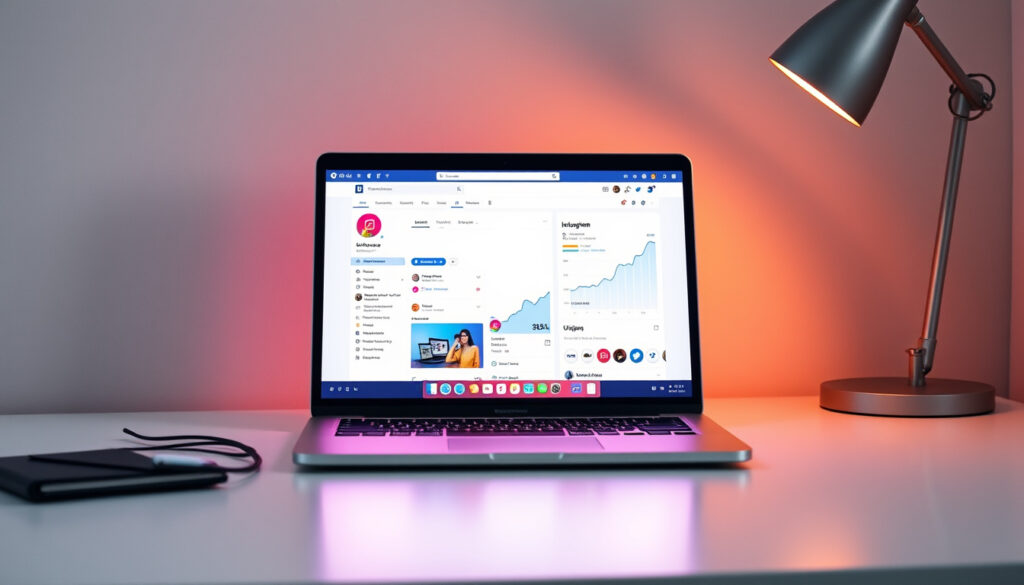
What Is a Digital Creator – Facebook, Instagram Roles and Earnings
The term “digital creator” has become increasingly common across social media platforms, yet many people remain uncertain about what it actually means. A digital creator is a professional who produces original content—such as videos, graphics, blogs, or live streams—primarily for online audiences. Unlike traditional content producers, digital creators often build their careers through platform-specific tools and monetization features designed to help them earn revenue directly from their work. Understanding this role requires examining how different platforms define and support digital creators, the various ways they can earn income, and the real-world examples that illustrate this evolving profession.
This guide examines what it means to be a digital creator in 2026, with particular focus on how major platforms like Facebook and Instagram have developed specific tools and programs to support content creators. Whether you are considering becoming a digital creator yourself or simply want to understand the terminology used across social media, this article provides a comprehensive overview of the role, its requirements, and its potential rewards.
What Is a Digital Creator on Facebook?
On Facebook, a digital creator is identified by a specific “Digital Creator” label that appears beneath their name on posts, reels, live videos, and stories. This label signals to audiences that the account belongs to someone actively producing content for public consumption, rather than simply sharing personal updates with friends and family. The distinction matters because it unlocks access to Facebook’s professional tools and monetization programs that are not available to standard personal profiles.
Facebook’s digital creator ecosystem has evolved significantly through Meta’s investments in creator programs and monetization infrastructure. The platform now offers multiple revenue pathways for eligible creators, including ad revenue from live streams and reels, fan subscriptions through the Facebook Stars program, performance bonuses for viral content, and partnerships with brands for sponsored posts. These options have blurred the traditional lines between content creators and influencers, making the digital creator role a recognized career path rather than merely a side hobby.
To activate digital creator status on Facebook, users must enable Professional Mode through their profile settings. This transforms a personal profile into a creator profile while maintaining personal connections and existing friends.
The following overview summarizes the key characteristics that define digital creators on Facebook:
- Definition: Professionals who create online content such as videos, graphics, and live streams for public audiences
- Platforms: Primarily Facebook and Instagram, though the role extends across Meta’s family of apps
- Monetization: Earnings through ad revenue, fan subscriptions, performance bonuses, and brand partnerships
- Requirements: Professional Mode enabled on profile, compliance with platform content policies, and ongoing content production
Several important insights emerge from examining how Facebook supports digital creators. Facebook’s Professional Mode significantly boosts visibility for creator content through algorithmic prioritization and dedicated discovery features. The primary content formats include short-form videos (Reels), long-form videos, live streams, static images, and written posts. Earnings are directly tied to audience engagement metrics, meaning creators must consistently produce content that resonates with their followers to generate substantial income. The platform’s massive user base—with over 3.06 billion active accounts—provides significant earning potential for creators who can capture audience attention. Finally, Facebook has invested heavily in AI-powered content suggestions to help creators identify trending topics and optimize their posting schedules.
With more than 3.06 billion users worldwide, Facebook represents one of the largest potential audiences for digital creators seeking to build sustainable careers through content production.
| Aspect | Details |
|---|---|
| Primary Platforms | Facebook, Instagram (Meta family) |
| Key Activities | Video creation, live streaming, graphic design, community engagement |
| Monetization Methods | Ad revenue, Stars, Reels Play Bonus, affiliate links, merchandise sales |
| Eligibility Requirements | Professional Mode enabled, content policy compliance, account security setup |
| Content Labels | “Digital Creator” badge appears on posts, reels, stories, and live videos |
| Audience Development | Public-facing content optimized for discovery through Meta’s algorithms |
What Is a Digital Creator Job?
The digital creator job encompasses a broad range of responsibilities that extend well beyond simply posting content online. At its core, the role requires consistent production of original material that engages and grows an audience. However, successful digital creators typically manage multiple simultaneous tasks, including content ideation, filming and editing, audience interaction, analytics review, and brand collaboration negotiation. This multifaceted nature makes the role comparable to running a small media company, even when the creator operates alone.
Core Responsibilities of Digital Creators
Digital creators produce content across various formats, adapting their approach based on platform requirements and audience preferences. Teachers might repurpose educational lessons into short-form videos, while gamers stream live sessions to engaged communities. Small business owners share product stories through Instagram posts and Facebook Stories, and artists showcase their creative journey through portfolio pieces and process videos. This diversity means that no two digital creator jobs look exactly alike, though all share the fundamental requirement of consistently producing content that resonates with specific audiences.
The fundamental distinction in 2026 is that creating original content takes priority over monetization. Facebook’s official guidance emphasizes that content creators should focus on high-quality material that provides genuine value to people’s lives, with earnings becoming a secondary consideration rather than the primary driver. This philosophical shift reflects broader industry trends recognizing that sustainable creator careers depend on audience trust, which is built through consistent value delivery rather than aggressive monetization tactics.
Skills Required for Success
Professional tools like Meta’s Creator Studio and Page Insights help creators track which content resonates with their audience, enabling data-driven decisions about future productions. Beyond technical skills in content creation, successful digital creators typically possess strong communication abilities, basic business acumen for managing finances and contracts, and sufficient stamina to maintain production schedules over extended periods. The combination of creative and operational skills required often surprises newcomers who expect the role to consist primarily of “making content.”
Consistently producing high-quality content across multiple formats—videos, live streams, and community engagement posts—commonly leads to creator burnout. Setting realistic schedules and building content systems helps prevent exhaustion.
The digital creator role has become accessible to anyone with knowledge, skills, ideas, or stories to share, not just influencers with existing large followings. This democratization means that even small, niche audiences can support creators through subscriptions, direct purchases, or consistent engagement that algorithms reward with broader distribution. The key requirement is authenticity and consistency rather than pre-existing fame or professional production equipment.
Digital Creator Salary and How They Get Paid
Understanding how digital creators earn money requires examining the various monetization programs available through major platforms. Facebook offers multiple revenue streams for eligible creators, though specific eligibility requirements and payment structures vary based on factors including location, audience size, and content type. Monetization eligibility is subject to change, requiring creators to stay current with Facebook’s evolving policies and program requirements.
Primary Revenue Streams
Ad revenue represents one of the most common ways digital creators earn income on Facebook. Creators can earn from ads displayed during live streams, on Reels content, and within Stories, though eligibility for the ad revenue program varies by region and account standing. The exact earnings depend on factors including viewer count, engagement rates, and the types of advertisements displayed, making it difficult to provide precise income expectations without knowing specific channel metrics.
The Facebook Stars program provides another monetization pathway where followers can purchase and send Stars to creators during live videos or on eligible posts. Creators earn $0.01 per star received, meaning substantial star earnings require either many small contributions or significant support from a smaller number of dedicated fans. Some creators have built sustainable income through fan-supported models, though building the audience necessary for meaningful Stars earnings typically requires significant time investment.
The Reels Play Bonus program offers performance-based payments for short-form video content, though it remains an invite-only initiative. Facebook has provided examples of creators earning significant amounts through this program—one creator reported earning over $10,000 in bonus earnings within two weeks of testing the feature. However, access to this program remains limited, and the invitation-only nature means many eligible creators cannot yet participate.
While some creators earn substantial income through Facebook’s monetization programs, exact salary figures vary dramatically based on audience size, engagement rates, content type, and geographic factors. Most creators building sustainable careers report combining multiple revenue streams rather than relying on a single program.
Additional Income Sources
Beyond direct platform payments, digital creators frequently earn through affiliate marketing arrangements. Programs like Amazon Associates or Shopify allow creators to earn commissions on purchases made through custom product links shared in their content. This approach works particularly well for creators in specific niches—such as tech reviewers, lifestyle influencers, or educational content producers—where product recommendations feel natural rather than forced.
Merchandise sales through Facebook Shops enable creators to establish online storefronts and tag products directly in posts, simplifying the purchase process for interested followers. Branded content partnerships with companies represent another significant income source, where creators receive payment or products in exchange for sponsored posts that integrate brand messaging with creator content.
What Is a Digital Creator on Instagram?
Instagram’s approach to digital creators shares many similarities with Facebook, given that both platforms operate under Meta’s corporate umbrella. However, the specific tools, features, and audience expectations differ in ways that affect how creators approach their work on each platform. Instagram has historically emphasized visual content and aesthetic consistency, making it particularly attractive for creators in fashion, photography, travel, food, and design niches.
Instagram’s creator tools include features for tracking content performance, managing collaborations, and accessing monetization options once creators meet specific thresholds. The platform’s algorithm prioritizes content that generates quick engagement, meaning creators must understand how to structure posts, use appropriate hashtags, and time publications for maximum visibility. This differs subtly from Facebook’s approach, which historically rewarded longer-term audience relationships alongside viral content potential.
Many digital creators maintain presences across multiple platforms simultaneously, adapting their core content for each platform’s specific requirements. A video might be shortened for Instagram Reels while a longer version appears on Facebook, with text overlays and thumbnail choices customized for each platform’s audience expectations. This cross-platform approach maximizes content reach while requiring additional production work to tailor materials appropriately.
Platform-Specific Considerations
Instagram’s creator economy has developed distinct characteristics that influence how digital creators build careers on the platform. Shopping features allow creators to tag products directly in posts, enabling seamless purchasing journeys from content discovery to transaction completion. Creator collaborations with brands often emphasize aesthetic alignment and audience demographic match rather than pure reach metrics, meaning mid-tier creators with highly engaged niche audiences may attract premium brand deals.
The platform’s Stories feature provides a lower-stakes environment for experimenting with content ideas, gathering audience feedback, and building personal connections with followers. Many successful digital creators use Stories as a testing ground for content concepts before investing in higher-production approaches for feed posts and Reels. This iterative approach helps creators understand audience preferences without committing to full production efforts for content that may not resonate.
Digital Creators Examples and Common Myths
Digital creators come from diverse backgrounds and pursue varied content strategies, making broad generalizations about the profession difficult. Teachers repurpose lesson plans into engaging video content that reaches students beyond traditional classroom settings. Gamers stream live sessions while building communities around shared interests and interactive entertainment. Small business owners share behind-the-scenes glimpses of product creation, manufacturing processes, and customer service interactions that humanize their brands. Artists showcase creative journeys from initial concept through finished work, attracting collectors and admirers who appreciate both the results and the process.
Understanding the Role
Examples of successful digital creators span every conceivable niche and interest, from financial advisors sharing market analysis to pet owners demonstrating training techniques. What unites these seemingly disparate examples is the consistent production of original content designed to engage specific audiences and build lasting relationships with followers. The profession has become accessible enough that anyone with knowledge, skills, ideas, or stories to share can begin building a creator presence, regardless of prior experience or professional credentials.
However, misconceptions about the role persist. Some observers assume digital creators simply record themselves talking about topics they find interesting, failing to recognize the significant planning, editing, promotion, and audience management work that successful content requires. Others believe that large followings automatically translate to substantial income, when in reality earnings depend heavily on audience engagement, niche commercial potential, and the specific monetization programs creators access.
Addressing Common Questions
A digital creator is a human being who produces content—no AI system currently serves as a digital creator in the professional sense. While AI tools assist creators in various production tasks, the strategic decisions, personal connections, and authentic experiences that define successful creator content remain human responsibilities.
The question of whether digital creators use artificial intelligence tools often arises as the technology becomes more sophisticated. While AI writing assistants, video editing software, and content optimization tools increasingly support creator workflows, these tools serve as productivity enhancers rather than replacements for human creativity and judgment. The relationship between creators and AI tools continues evolving, but the fundamental requirement for authentic human perspective and connection remains unchanged.
Security requirements including strong passwords and two-factor authentication protect creator accounts from unauthorized access and potential revenue theft. As creator careers become more lucrative, the platforms and the individuals operating within them face increased attention from malicious actors attempting to compromise accounts. Understanding and implementing basic security practices has become an essential part of professional creator management.
The Evolution of Digital Creator Culture
The digital creator profession has undergone remarkable transformation over the past decade, evolving from a niche activity pursued by early social media adopters into a recognized career path that attracts people from diverse professional backgrounds. Understanding this evolution provides context for the current state of creator culture and hints at future developments likely to shape the profession.
- Early 2010s: YouTube partnership programs establish first viable monetization pathway for individual content creators, demonstrating that regular people could earn meaningful income through online video content.
- Mid-2010s: Instagram introduces business profiles and shopping features, creating infrastructure for visual content creators to pursue commercial opportunities beyond traditional advertising.
- 2018-2020: TikTok’s explosive growth demonstrates the potential for short-form video content and prompts existing platforms to develop competing features.
- 2020-2022: Facebook launches Professional Mode and expands Reels, committing significant resources to creator acquisition and retention.
- 2023-Present: Meta integrates AI-powered content suggestions and monetization tools, while platforms compete through creator funds and exclusive program access.
What Is Established Versus Uncertain
When examining digital creator careers, distinguishing between well-established facts and areas of genuine uncertainty helps set realistic expectations for those considering the profession.
| Established Information | Remaining Uncertainty |
|---|---|
| Digital creators are human content producers | Exact earnings vary significantly by creator |
| Platform tools and programs exist to support creators | Specific program availability by region |
| Consistent high-quality content builds audiences | Optimal posting frequencies for different niches |
| Multiple monetization pathways are available | Long-term sustainability of various revenue streams |
| Professional Mode enables creator features | How AI tools will change production workflows |
The certainties include that digital creators are human professionals who produce original content, that major platforms have developed specific tools and programs to support creator careers, and that consistent production of quality content tends to build audiences over time. Uncertainties include the precise earnings potential for any individual creator, the availability of specific programs in different geographic regions, and how emerging technologies will reshape production requirements and audience expectations.
The Broader Context of Creator Economy
Digital creators operate within a broader economic shift that has fundamentally changed how individuals can build careers and earn income. Traditional employment structures have increasingly given way to portfolio careers where individuals manage multiple income streams, build personal brands, and maintain direct relationships with audiences rather than corporate employers. This shift predates social media but has been dramatically accelerated by platform tools that make audience building and monetization accessible to anyone with an internet connection.
Meta’s investments in creator programs, monetization tools, AI-powered suggestions, and Reels expansion reflect the company’s recognition that engaging creators benefits the broader platform ecosystem. When creators produce compelling content, they attract and retain users who might otherwise migrate to competing platforms. This alignment of interests has driven substantial investment in creator support infrastructure across major social media companies.
The relationship between digital creators and platform companies remains complex and occasionally contentious. Creators depend on platform tools and audience access, while platforms depend on creator content to maintain user engagement. Changes to algorithms, monetization programs, or content policies can significantly impact creator livelihoods, creating inherent tension in the relationship that both parties must navigate.
Key Takeaways from Industry Sources
“Digital creators on Facebook are content producers who use Professional Mode to build public audiences, access creator tools, and monetize their work through various revenue streams.” — Murf.ai analysis of Facebook’s creator ecosystem
“The role is now accessible to anyone with knowledge, skills, ideas, or stories to share, not just influencers with existing large followings.” — Learnyst analysis of digital creator accessibility
Industry analyses consistently emphasize that the digital creator profession offers genuine career opportunities for those willing to invest time in building audiences and developing content skills. However, these same analyses caution against unrealistic income expectations, noting that substantial earnings typically require significant audience scale, consistent content production, and strategic monetization across multiple programs.
Summary and Next Steps
Digital creators are professionals who produce original content for online audiences, leveraging platform-specific tools to build communities, share expertise, and earn income through multiple revenue streams. The role has evolved from a hobbyist activity into a legitimate career path, supported by substantial investment from major platform companies seeking to attract and retain high-quality content producers.
For those considering digital creator careers, the path forward involves enabling professional features on chosen platforms, developing consistent content production capabilities, building genuine connections with audiences, and strategically exploring available monetization options. The profession rewards authenticity, consistency, and genuine value delivery rather than promotional intensity or follower count alone.
Understanding how digital commerce works on major platforms can benefit creators seeking to sell products or services alongside their content. Learning How to Sell on Amazon UK provides relevant skills for creators interested in merchandise sales and e-commerce integration. Similarly, creators producing technical content may find resources on HDMI to USB-C Adapter Guide useful for understanding product review workflows.
Frequently Asked Questions
Is a digital creator AI?
No, a digital creator is a human being. AI tools may assist creators with various tasks, but the content creation and audience relationship management remain human responsibilities.
How do digital creator Facebook profile views work?
Profile views on Facebook measure how many times other users have visited a creator’s profile page, indicating interest level and potential audience reach.
Does a digital creator on Facebook get paid?
Yes, eligible creators can earn through multiple programs including ad revenue, Facebook Stars, and Reels Play bonuses, though specific eligibility requirements apply.
What qualifications are needed to become a digital creator?
No formal qualifications are required. Success depends more on content creation skills, audience-building abilities, and consistency than on educational credentials.
Can anyone become a digital creator?
Yes, the role is accessible to anyone with knowledge, skills, ideas, or stories to share. Professional Mode tools make activation straightforward for most users.
How much do digital creators typically earn?
Earnings vary dramatically based on audience size, engagement rates, content niche, and monetization programs accessed. Most creators combine multiple revenue streams.
What is Facebook Professional Mode?
Professional Mode transforms a personal profile into a creator profile, unlocking access to analytics, monetization tools, and enhanced discovery features.
How do Facebook and Instagram creator tools differ?
While sharing infrastructure as Meta products, each platform offers distinct features optimized for different content formats and audience expectations.
More related posts
 Bo Burnham – Height, Inside Special, and Complete Biography
 Advent Calendar – 2025 UK Beauty, Chocolate & Personalised Guide
 Ronnie Biggs – The Great Train Robbery and Life on the Run
 Timothy Olyphant – Biography, Movies, Wife and Net Worth
 Richard Dean Anderson – Biography, Net Worth & Status 2025
 Rangers vs Annan Athletic – Results, Scorers and Stats
 iPhone 17 Pro Max Colours – Official Options & UK Prices
 Rosario Dawson – Biography, Age, Movies, and Net Worth 2025
