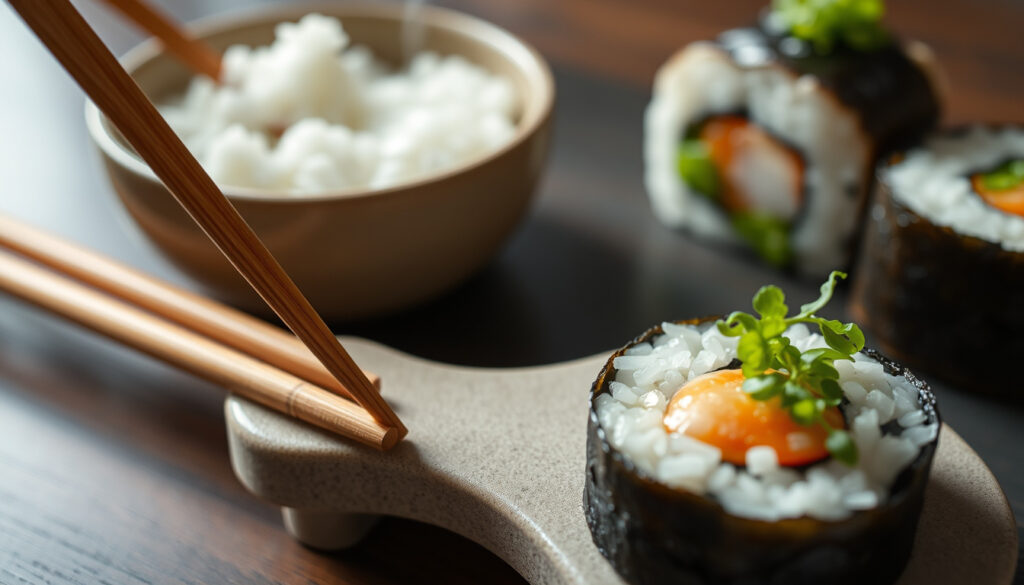
How to Use Chopsticks – Complete Beginner’s Step-by-Step Guide
Learning how to use chopsticks can seem daunting, but the basic technique is straightforward. The standard method involves holding one chopstick stationary as the base while moving the other with your fingers to open and close the tips around food. A relaxed grip, aligned tips, and controlled finger movement are the keys – not squeezing hard. This guide breaks down everything from the correct grip to food-specific techniques, common mistakes, and a realistic timeline for building skill.
How to Hold Chopsticks Correctly: The Standard Grip
Key Insights for Beginners
- The “pencil grip” (standard) is universally recommended by experts for beginners.
- Japanese style uses thinner, tapered chopsticks; Chinese style uses thicker, blunt ones; Korean style uses metal flat chopsticks.
- Only the upper chopstick should move; the lower remains stationary against the ring finger.
- Beginner success increases when starting with large, soft foods (tofu, bread) before attempting rice or slippery noodles.
- Children can learn as early as age 3 with training chopsticks, but standard grips work from age 5+.
- Using training chopsticks (connected at top) helps children and true beginners.
- Holding chopsticks about one-third of the way from the top provides better balance.
Snapshot Facts About Chopstick Use
| Field | Detail |
|---|---|
| Skill level | Beginner to intermediate |
| Time to learn basic competence | 1–3 practice sessions (15–30 minutes each) |
| Number of basic steps | 5 (position lower, grip upper, adjust, practice, try food) |
| Worldwide users | Approximately 1.5–2 billion |
| Chopstick materials | Bamboo, wood, metal, plastic, ceramic |
| Standard grip description | Upper chopstick moves like a pencil; lower is stationary |
| Ideal position on chopstick | About two-thirds of the way from the tips |
| Common mistake: grip too tight | Reduces control and flexibility |
| Recommended first practice food | Large, soft items (tofu, bread, vegetable pieces) |
| Estimated age for standard grip | 5+ years (training chopsticks from age 3) |
How to Use Chopsticks Step by Step for Beginners
If you are using disposable wooden chopsticks, first separate them and check for splinters. Position the lower chopstick between the base of your thumb and your ring finger so it stays still. Then hold the upper chopstick like a pencil between your thumb, index finger, and middle finger. Practice opening and closing the tips using only your fingers – not your wrist.
Step 1: Position the Lower Chopstick
Place the first chopstick between the base of your thumb and your ring finger. It should rest securely but comfortably, acting as a stationary anchor. Make sure it does not move while you use the upper chopstick, as noted by Kobe Steakhouse and Instructables.
Step 2: Grip the Upper Chopstick
Hold the second chopstick between your thumb, index finger, and middle finger – exactly as you would hold a pencil. According to Musubi Kiln, this grip allows the top chopstick to move up and down while the bottom one remains fixed.
Step 3: Adjust Tension and Alignment
Keep the tips slightly apart at rest. The chopsticks should be positioned about two-thirds of the way from the tips for better control. A relaxed hold is repeatedly emphasized as the best way to build control – avoid squeezing hard.
Step 4: Practice Opening and Closing
Move only the top chopstick with your fingers. The bottom chopstick should not move. Use finger motion, not wrist motion. A video guide demonstrates that a sideways pinching motion works better than a downward stabbing movement.
Step 5: Start with Easy Foods
Begin with larger pieces of sushi or vegetables. Once comfortable, try small solid foods like beans or grains. After you gain confidence, move on to noodles and rice, which require more control. Many sources recommend starting with soft, easy-to-grip foods before advancing.
A frequent error is gripping too tightly. This reduces flexibility and makes it harder to control the chopsticks. Another mistake is using the wrist instead of the fingers to open and close the chopsticks. Keep your hand relaxed and let your fingers do the work.
How to Eat Rice and Noodles with Chopsticks
Eating Rice
For regular white rice, the technique is to angle the chopsticks and scoop the rice toward you, rather than stabbing at individual grains. Sticky rice requires a slightly different approach: grip the chopsticks closer to the tips for extra control. Beginners often benefit from practicing with larger clumps of rice before trying individual grains. If you are curious about what is in your bowl, our article Does Rice Have Gluten offers useful background.
Eating Noodles
To pick up noodles, use a sliding grip: slide one chopstick under the noodles and lift, then use the other chopstick to assist. Alternatively, you can twist the noodles around the chopsticks – a technique common in Japanese dining. The key is to bring the bowl close to your mouth and use the chopsticks to guide the noodles.
Handling Slippery Foods
For foods like beans, peas, or tofu, a lighter grip and precise tip alignment are essential. Start with larger items and work your way down to smaller, more challenging pieces. According to Kobe Steakhouse, practicing with foods of different sizes helps build the fine motor control needed for tricky items.
A common mistake is trying to pick up food by stabbing downward with the chopsticks, as if using a fork. This is inefficient and can damage the food. Instead, use a sideways pinching motion – align the tips horizontally and squeeze gently.
How to Use Chopsticks Japanese Style vs Other Techniques
Japanese Style
Japanese chopsticks are typically thinner and more tapered. The standard grip is the same as the pencil grip, but Japanese etiquette often dictates specific rules: never pass food from chopstick to chopstick, and do not point chopsticks at people. The technique for noodles is also distinctive – it is acceptable to slurp noodles in Japan, and chopsticks are used to lift and guide the noodles to the mouth.
Chinese Style
Chinese chopsticks are longer and thicker, often with blunt ends. The grip is similar, but because of the length, the hand is positioned slightly farther back. Chinese dining often uses communal serving utensils alongside personal chopsticks. Cutting food with chopsticks (by dragging them across a plate) is more common in Chinese cuisine, as noted by The Woks of Life.
Korean Style
Korean chopsticks are made of metal and are often flat. They can be more slippery than wooden or bamboo ones. The grip is the same, but the increased slipperiness requires a slightly firmer hold. Korean meals also include a spoon for soup and rice, so chopsticks are used mainly for side dishes and meat.
One-Finger Method (Alternative)
Some people use a “one-finger” method where the middle finger alone moves the top chopstick. This is considered less stable than the standard grip but can work for those who find it more comfortable. Sources note that the optimal grip angle varies slightly by hand size and chopstick length, so some experimentation is normal.
Adapting for Children
For kids, training chopsticks with a connected top are widely recommended. Children as young as 3 can use these. By age 5 or 6, many can adopt the standard grip. The Web Japan kids’ page offers simple illustrations and steps tailored to young learners.
How Long Does It Take to Learn Chopsticks? A Timeline of Mastery
- Day 1: Grip & Open/Close – Learn the standard pencil grip. Practice opening and closing chopsticks 50 times without food.
- Day 2: Pick Up Large Objects – Use sponge cubes or marshmallows to practice picking up and releasing.
- Day 3: Soft Foods – Practice with tofu, bread, or cooked vegetables.
- Week 1: Rice & Noodles – Learn scooping for rice and twisting for noodles.
- Week 2: Slippery Foods – Master picking up beans, peas, and eggs.
- Month 1: Advanced Techniques – Use chopsticks for cutting food or eating in formal settings.
What Is Known and What Remains Uncertain About Chopstick Techniques
| Established Information | Information That Remains Unclear |
|---|---|
| The standard pencil grip is the most widely taught method. | Whether the “one-finger” method (using only the middle finger) is effective or merely a shortcut. |
| Only the top chopstick should move; the bottom stays stationary. | Optimal grip angle varies slightly by hand size and chopstick length. |
| Using training chopsticks (connected at top) helps children and true beginners. | Some experts recommend placing the lower chopstick in the webbing of the thumb, but this can limit motion. |
| Chopsticks should be held one-third of the way from the top for balance. | Comfortable variations exist – not everyone needs to hold them exactly like an expert. |
Why Does Knowing How to Use Chopsticks Matter Culturally?
Chopstick use is an ancient skill dating back over 5,000 years in East Asia. Modern standardization of the pencil grip emerged in the 20th century as a teaching tool. Many sources overcomplicate the process, but the core skill is quite simple with proper practice. Beyond the mechanics, learning to use chopsticks is a gateway to understanding East Asian dining etiquette – for example, never sticking chopsticks upright in a bowl of rice, as it resembles a funeral ritual. Mastering the technique makes dining experiences more authentic and respectful when traveling or eating at traditional restaurants.
What Do Experts Recommend for Beginners?
“The pencil grip is the most widely accepted standard because it allows for maximum control and minimal effort.”
Serious Eats (10 Experts)
“Once you know how to hold chopsticks, you can use them to cut food by dragging them across a plate.”
The Woks of Life
“Hold one chopstick as you would a pencil. Use your thumb and index finger to grasp the chopsticks, with your middle finger supporting them.”
Musubi Kiln
The Serious Eats article consulted multiple experts who unanimously recommend the pencil grip. The Woks of Life adds practical tips like using chopsticks for cutting. Musubi Kiln’s beginner guide offers clear, annotated photos that many readers find helpful.
How to Get Started with Chopsticks Today
To summarize, begin by mastering the standard grip: hold the lower chopstick stationary against your ring finger and move the upper chopstick like a pencil. Practice opening and closing without food, then graduate to large soft items. Within a week you should be able to handle rice and noodles. If you are also curious about related food topics, you might find our article Are Oats Gluten Free useful for understanding what you are eating with your new skill.
Frequently Asked Questions
How to use chopsticks for beginners pdf?
There is no official single PDF, but you can create one by saving this guide as a PDF. Key steps: 1) Hold lower chopstick between thumb base and ring finger. 2) Grip upper like a pencil. 3) Practice opening/closing 30 times. 4) Try picking up soft foods.
How to use chopsticks step by step with pictures?
See the step-by-step images in the “How to Use Chopsticks Step by Step for Beginners” section above. The visual guide shows exact hand placement.
How to use chopsticks with one finger?
The “one finger” method (also called the two-finger method) uses the middle finger as the sole mover of the top chopstick. This is considered less stable than the standard grip but works for some people. Place the lower chopstick against the ring finger, then use only the middle finger to move the upper one.
How to improve chopsticks skills?
Practice daily with different food textures. Start with large, soft items (bread, tofu), then move to rice (scoop, don’t stab), noodles (twist or slide), and finally slippery items like beans or eggs.
Is there a right way to hold chopsticks?
Yes, the pencil grip is the most widely accepted standard because it offers maximum control and minimal effort. Comfortable variations exist, but the general principle of moving only the top chopstick remains key.
How do you eat sticky rice with chopsticks?
For sticky rice, grip the chopsticks closer to the tips for extra control. Angle them slightly and use a scooping motion. Avoid stabbing, as it can break the rice apart.
Are metal chopsticks harder to use?
Metal chopsticks (common in Korea) are often more slippery than bamboo or wood. Beginners may find them slightly more challenging, but the grip technique remains the same.
How long should I practice each day?
Most experts recommend 15 to 30 minutes per session. Two or three sessions are usually enough to gain basic competence.
More related posts
 David Schwimmer – Net Worth, Height, Family and Career
 Peter Lenahan – The Man Who Emailed Tim Berners-Lee About HTTP
 All of Us Strangers – Complete Guide to Cast, Book and Ending
 Lee Know – Biography, Facts, and Profile of the Stray Kids Star
 Tom Hardy – Biography, Movies, Net Worth and Height 2025
 Black Dresses 2025 – Best Styles for Funeral, Party and Work
 Casey Affleck – Biography, Movies, Net Worth and Family
 Fred Dibnah – Life, legacy, cause of death and family
