Bed Bug – Complete Guide to Identification and Removal
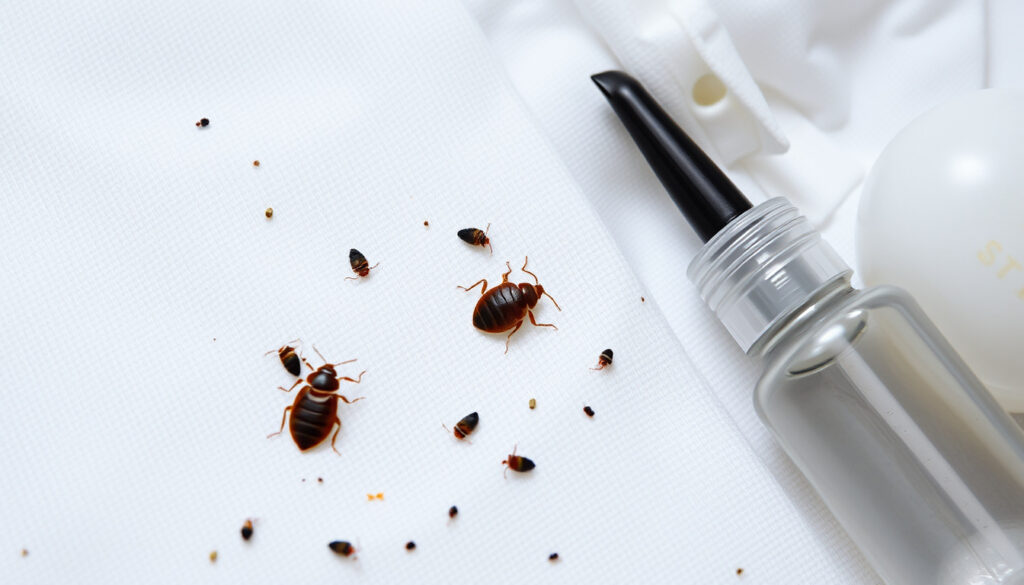
Waking up with unexplained, itchy bites is often the first hint of a bed bug problem. These small, reddish-brown insects measure about the size of an apple seed and are expert at hiding in mattress seams, bed frames, and furniture cracks. Because they feed on human blood primarily at night, early evidence usually consists of bites, dark fecal spots, and rusty blood stains long before the bugs themselves are seen.
Infestations have resurged globally since the 1990s, driven by increased international travel and growing resistance to common pesticides. Despite common misconceptions, bed bugs are not attracted to dirt or poor housekeeping — any environment where people sleep can become a host for them. Understanding what you are dealing with is the first step toward effective treatment.
What Do Bed Bug Bites Look Like?
Bed bug bites typically appear as small, itchy red welts. They often form in lines or clusters, a pattern sometimes referred to as “breakfast, lunch, dinner.” However, reactions vary significantly. Some individuals develop raised bumps or a rash-like reaction, while others show no visible marks at all, which can delay detection for weeks. According to Cornell University’s Integrated Pest Management program, bite marks can take up to two weeks to appear, making them an unreliable single sign of infestation.
What Are Bed Bugs? Small, reddish-brown, wingless insects that feed on human blood, typically at night.
Common Signs Itchy bites in clusters, small blood stains on sheets, dark fecal spots, shed skins.
Health Impact Bites cause itching and discomfort; rarely transmit diseases but can cause allergic reactions.
Treatment Options Combination of heat treatment, vacuuming, encasements, and EPA-approved pesticides; often requires professional help.
Key Insights About Bed Bugs
- Bed bugs are not known to spread diseases, a common fear that is not supported by evidence.
- Early detection is critical — an untreated infestation can double roughly every 16 days.
- Over-the-counter bed bug sprays are often ineffective due to widespread pesticide resistance.
- Heat treatment (sustained temperatures above 120°F) is one of the most reliable non-chemical methods.
- Travel is the primary vector for bed bug spread; inspecting hotel rooms is a key prevention measure.
Bed Bug Identification Facts
| Attribute | Fact |
|---|---|
| Adult size | 4–5 mm (about the size of an apple seed) |
| Color | Reddish-brown (darker after feeding) |
| Life span | 4–6 months (can survive up to a year without feeding) |
| Bite pattern | Often in a line or cluster (breakfast, lunch, dinner) |
| Common hiding spots | Mattress seams, box springs, bed frames, furniture cracks |
| Reproduction rate | 1 female lays 200–500 eggs in a lifetime |
What Causes Bed Bugs and How Do They Spread?
Contrary to popular belief, bed bugs are not caused by a lack of cleanliness. They are “hitchhikers” that primarily spread by attaching to luggage, clothing, and upholstered furniture. A single mated female introduced into a home can begin an entire infestation. Once established, bed bugs can travel between rooms through cracks in walls or along pipes, preferring areas close to where people sleep, as confirmed by the Cleveland Clinic.
Bed bugs are not attracted to filth or poor housekeeping. Clutter can make them harder to find and treat, but any environment with human hosts provides a suitable habitat. The primary cause is introduction via infested luggage, secondhand furniture, or clothing brought in from an infested location.
How Do Bed Bugs Get Into Your Home?
The most common entry points are through travel and secondhand purchases. They climb onto belongings in hotels, public transportation, and other homes. Once inside, they quickly scatter into hiding spots like mattress seams, headboards, baseboards, and even behind electrical outlets. Regular inspection of sleeping areas and being cautious with used items are essential habits for prevention.
How to Prevent Bed Bugs in Hotels
When traveling, keep luggage on a suitcase stand or hard surface rather than on the bed or floor. Upon arrival, inspect the mattress seams and headboard for dark spots or live bugs. On return, wash and dry all travel clothing on a hot cycle immediately.
How to Get Rid of Bed Bugs: Proven Methods
The most effective strategy for elimination is Integrated Pest Management (IPM), a combination of chemical and non-chemical methods recommended by the EPA. Relying solely on one treatment method is rarely successful.
Non-Chemical Control Steps
Start with thorough vacuuming of beds, furniture, and cracks. Immediately dispose of the vacuum bag in a sealed plastic bag. Wash all bedding and infested clothing in hot water and dry them on the highest heat setting. Use protective encasements on mattresses and box springs to trap existing bugs and prevent new ones from hiding. Interceptors placed under bed legs can catch bugs attempting to climb up.
Bed bugs have developed widespread resistance to many common insecticides, particularly pyrethroids found in many foggers and sprays. The EPA advises against relying on foggers, which can scatter bugs deeper into walls and fail to reach all hiding places, often making the infestation worse.
When to Call a Professional Exterminator
For established infestations extending beyond a single area, professional pest control is strongly recommended. Professionals have access to heat treatments, targeted pesticides, and canine inspection teams. Treatment often requires multiple visits spaced over weeks to catch newly hatched nymphs. The British Pest Control Association (BPCA) cautions that self-treatment of large infestations can be ineffective and prolong the problem.
How to Treat Bed Bug Bites
Bite treatment focuses on symptom relief. Over-the-counter anti-itch creams and cool compresses can reduce discomfort. In cases of severe allergic reaction or signs of infection, medical care is advised. Bites typically heal within one to two weeks, though scratching can delay recovery.
Are Bed Bugs Dangerous? Health Risks and Myths
For most people, bed bugs are more a source of severe discomfort and anxiety than a serious medical threat. Extensive research has not established a link between bed bugs and the transmission of infectious diseases, a fact confirmed by public health authorities like the UK National Health Service.
Bed bug bites usually appear on areas exposed while sleeping, like the face, neck, arms, and hands. They often form in a line or cluster (breakfast, lunch, dinner). Bites are rarely found on the lower legs unless the person sleeps in shorts. Because reactions are delayed and vary widely, finding physical evidence of bugs is the only reliable way to confirm them.
Can Bed Bugs Cause Allergic Reactions?
Yes. Bites can cause localized allergic reactions, including severe itching, swelling, and blisters in sensitive individuals. Rarely, systemic reactions can occur. The WebMD guide notes that the psychological toll of an infestation, including anxiety, stress, and sleeplessness, is often the most significant impact on overall well-being.
Managing the stress of an infestation can be helped by relaxing activities, such as Yoga Poses – Complete Beginner and Partner Yoga Guide.
How Quickly Do Bed Bug Infestations Develop?
Understanding the timeline of an infestation is critical for prompt action. The growth can be rapid if left untreated.
- Day 1–7: Initial Infestation A single mated female hitchhikes into a home and begins laying eggs in cracks and seams near sleeping areas.
- Week 2–4: First Generation Eggs hatch into nymphs, which start feeding. Bites may appear, along with small blood spots and dark fecal stains.
- Month 1–3: Population Explosion Multiple generations are active. Bites become frequent, staining is more visible, and psychological distress often sets in.
- Month 3+: Established Infestation Bed bugs spread to adjacent rooms. Professional intervention is usually required, and treatment costs increase significantly.
What Is Certain and What Is Uncertain About Bed Bugs?
| Established Information | Information That Remains Unclear |
|---|---|
| Bed bugs feed exclusively on human blood. | Whether resistance to pyrethroid insecticides is equally severe in all regions. |
| Bites are not known to transmit infectious diseases. | Exact prevalence of bed bugs in hotels and rental properties varies by self-reported data. |
| Heat above 120°F kills all life stages. | Effectiveness of natural remedies depends heavily on application method and circumstances. |
| DIY foggers are largely ineffective against established infestations. | Distinguishing bed bug bites from other insect bites without visual confirmation of the bug is unreliable. |
Why Have Bed Bug Infestations Become More Common?
Bed bug infestations have seen a dramatic resurgence worldwide since the late 1990s. This is widely attributed to a combination of factors: increased international travel, the banning of broad-spectrum pesticides like DDT, and the evolution of insecticide resistance in bed bug populations, as documented by Wikipedia. Public awareness also lagged for years, allowing small problems to grow unchecked.
Infestations are not a sign of poor housekeeping. They affect five-star hotels, single-family homes, and apartments equally. Any space where people sleep can host bed bugs. Understanding this broader context helps destigmatize the problem and encourages faster, more proactive treatment.
What Do Official Sources Say About Bed Bugs?
“Prevent, identify, and treat bed bug infestations using EPA’s step-by-step guides, based on IPM principles.”
— U.S. Environmental Protection Agency
“Bedbugs are small insects that often live on furniture or bedding. Their bites can be itchy, but do not usually cause other health problems.”
— UK National Health Service
“Bedbugs are small, reddish-brown insects that feed on the blood of people and animals.”
— WebMD
What Is the Key Takeaway About Bed Bugs?
Early detection and a comprehensive, integrated approach are the most effective ways to handle a bed bug situation. While finding them can be distressing, bed bugs are manageable with careful inspection, non-chemical steps like heat treatment and encasements, and professional help when an infestation is established. Maintaining vigilance while traveling remains the single best prevention strategy. Taking time to decompress during the process can be beneficial, just as studying Chess Sets – The Best UK Buyer’s Guide 2025 requires patience and strategy, so does managing a bed bug problem step by step.
Frequently Asked Questions About Bed Bugs
Can bed bugs fly?
No, bed bugs do not have wings and cannot fly. They crawl or hitchhike on luggage, clothing, and furniture.
How long do bed bug bites last?
Bites usually heal within 1–2 weeks. Scratching can prolong healing and increase the risk of infection.
Do bed bugs only live in beds?
No, they can live in any crack or crevice, including furniture, baseboards, electrical outlets, and behind wallpaper.
Can bed bugs survive in cold weather?
They can survive short cold exposure, but prolonged temperatures below 0°F can kill them. Heat is generally a more reliable control method.
How quickly do bed bugs spread?
A single female lays 1–5 eggs per day, so a small infestation can grow significantly within weeks.
Can you see bed bugs with the naked eye?
Yes. Adult bed bugs are about 4–5 mm long, roughly the size of an apple seed, and are visible without magnification.
More related posts
 Mohammed Kudus – Biography, Injury Update and Stats 2026
 Rangers vs Annan Athletic – Results, Scorers and Stats
 Triple H – Biography Net Worth Health and Career
 Mark Chapman – BBC Sports Presenter Biography & Personal Life
 Han Solo – Biography Death Relationships and Actors
 Where Is Santa Right Now – Live Tracker Maps and Updates
 Tammy Slaton – 560-Pound Weight Loss and Life Update
 Amber Strictly – Age, Boyfriend, Sister and Hate Comments
