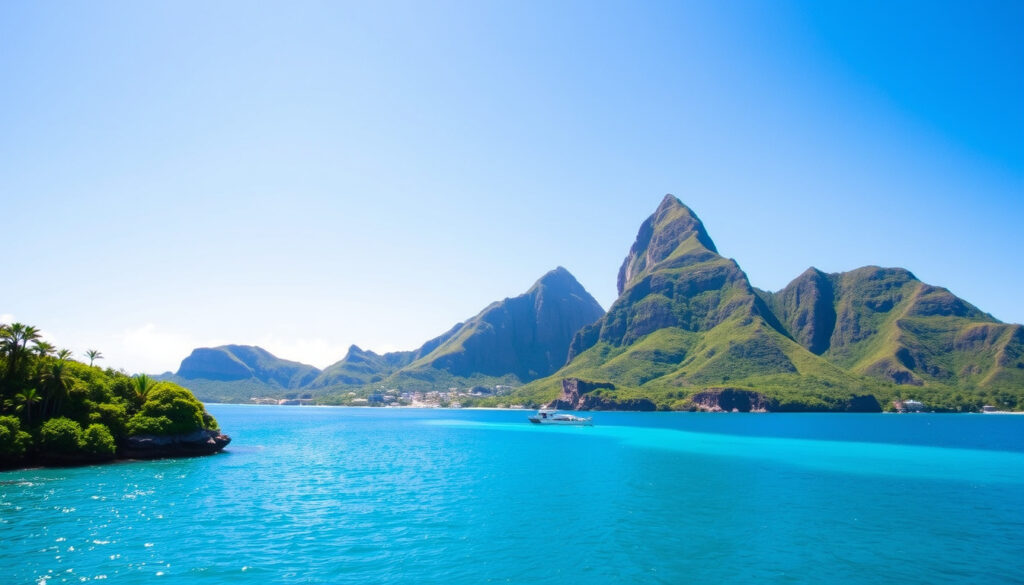
St Lucia – Ultimate Travel Guide and Essential Facts for 2025
St Lucia is a volcanic Caribbean island known for its lush rainforests, dramatic Pitons mountains, and black-sand beaches, offering a mix of luxury all-inclusive resorts in the north and rustic plantations in the south. For 2025 travel, most visitors from the US, UK, and EU need a valid passport but no visa for stays up to 6 weeks, though entry requirements can change, so checking the IATA map is advised.
The island, part of the Lesser Antilles, sits between Martinique to the north and St Vincent to the south. Its mountainous landscape, shaped by volcanic activity, includes the 950-meter Mount Gimie and the iconic twin peaks of the Pitons. With 70% rainforest coverage and black-sand beaches, it offers a distinct Caribbean experience that blends luxury tourism with natural preservation.
Tourism accounts for roughly 65% of St Lucia’s GDP, making travel information particularly valuable for those planning a visit. The island competes closely with Barbados, Jamaica, and Antigua for the Caribbean honeymoon market, and recent infrastructure investments, including the Hewanorra International Airport expansion, signal increasing visitor capacity.
Is St Lucia a Good Holiday Destination? A Quick Overview
Capital: Castries. Population: 184,000+. Official Language: English. Currency: East Caribbean Dollar (XCD).
Dry season (December to May) for sun-seekers; low season (June-November) for budget travelers.
US/UK/Canada passport holders need a valid passport. No visa for stays under 6 weeks (tourism). Check latest travel advisory.
Iconic Pitons, volcanic beaches, world-class all-inclusive resorts, lush rainforest, and vibrant Creole culture.
St Lucia sits in the Lesser Antilles, between Martinique and St Vincent. It is a volcanic island with a mountainous landscape, featuring the 950-meter Mount Gimie and the iconic twin peaks of the Pitons. English is the official language, though Saint Lucian Creole French is widely spoken. The currency is the Eastern Caribbean Dollar (XCD), but US dollars are commonly accepted in tourist areas.
- St Lucia’s Tourism Board is actively promoting lesser-known all-inclusive properties to attract returning visitors.
- The Pitons (Gros and Petit Piton) are a UNESCO World Heritage site and the island’s most photographed landmarks.
- Despite high tourist interest in all-inclusive resorts, unique wellness and eco-lodges are gaining traction in 2025.
- The East Caribbean dollar (XCD) is pegged to the US dollar, making it easy for American tourists to calculate pricing.
- Tourism accounts for approximately 65% of St Lucia’s GDP.
- Recent infrastructure investments in the Hewanorra International Airport expansion signal increasing visitor capacity.
| Fact | Detail |
|---|---|
| Capital | Castries |
| Largest City | Castries |
| Official Language | English |
| Population (2025 est.) | 184,000 |
| Area | 617 sq km (238 sq mi) |
| Currency | East Caribbean Dollar (XCD) |
| Calling Code | +1-758 |
| Government | Unitary parliamentary constitutional monarchy |
| National Anthem | Sons and Daughters of Saint Lucia |
| Time Zone | AST (UTC-4) |
Best All-Inclusive Resorts in St Lucia for Couples
For couples, the choice of accommodation often comes down to location. The north, around Gros Islet and Rodney Bay, is the primary hub for all-inclusive properties, offering convenience and immediate beach access. The south, near Soufrière, is more rustic, with hidden bays and plantations, offering fewer all-inclusive options but more eco-lodges and boutique hotels.
North vs. South: Where to Stay
Many travel guides recommend splitting a one-week trip between 3 nights in the north and 4 nights in the south. This approach allows visitors to experience both resort luxury and natural beauty. The north is best for all-inclusive resorts, nightlife, and easy airport access. The south is ideal for nature, the Pitons, and rustic charm.
Many guides recommend splitting a one-week trip between 3 nights in the north and 4 nights in the south to experience both resort luxury and natural beauty.
Essential Travel Information: St Lucia Passport and Entry Requirements
A valid passport is required for all travelers entering St Lucia. Citizens of the US, UK, Canada, and EU member states do not need a visa for tourist stays of up to 6 weeks. Travelers from other countries may require a visa, and entry rules vary by origin.
Since entry requirements can change weekly, travelers are strongly advised to check the IATA interactive map for the latest required documents before booking. Travelers should also ensure their passport is valid for the duration of their stay; some airlines may require 6 months of validity, though St Lucia officially requires validity for the stay duration.
Since entry requirements can change weekly, travelers are strongly advised to check the IATA interactive map for the latest required documents before booking.
Key Facts: St Lucia Population, Flag, and People
St Lucia has a population of approximately 180,000 to 184,100. The capital and largest city is Castries, with a population of around 20,000. English is the official language, and Saint Lucian Creole French is also widely spoken.
What does the St Lucia flag look like and what does it mean?
The flag of St Lucia features a light blue field with a black isosceles triangle in the center, bordered by white, and a yellow triangle at the hoist side. The blue represents the sky and the sea, the black and white symbolize the harmonious relationship between the black and white races, and the yellow stands for the sunshine and prosperity.
What is the culture and people of St Lucia like?
The culture is a vibrant blend of African, French, and British influences. Saint Lucian Creole French (Kwéyòl) is widely spoken alongside English. The national dish is green figs and saltfish, and the island is known for its lively festivals, including the Saint Lucia Jazz Festival.
St Lucia is rated as a “Level 1” country by the U.S. Department of State (lowest risk), making it one of the safest Caribbean islands to visit, though standard precautions are advised.
A Timeline of St Lucia’s History
St Lucia has a rich and complex history, shaped by indigenous settlement, European colonization, and eventual independence. The following timeline highlights key milestones.
- Around 200 AD: Archaic people settle the island.
- c. 800 AD: Arawak people from South America inhabit the island.
- c. 1300 AD: Carib people arrive, displacing the Arawaks; they call it ‘Iouanalao’ (Land of the Iguanas).
- 1502: Christopher Columbus sights the island on St Lucy’s Day, naming it Santa Lucía.
- 17th-19th centuries: Battle between French and British for control of the island; it changes hands 14 times.
- 1814: France cedes St Lucia to Britain under the Treaty of Paris.
- 1958-1962: St Lucia is a member of the West Indies Federation.
- February 22, 1979: Independence from the United Kingdom.
- 1990s-present: Growth as a major tourism and offshore banking destination.
What Is Certain and What Remains Unclear About St Lucia Travel
For travelers and researchers, some aspects of St Lucia are well-established, while others require ongoing verification. The table below clarifies common points of confusion.
| Topic | Established Information | Information That Remains Unclear |
|---|---|---|
| Passport/Visa Requirements | US/UK/Canada citizens need a valid passport but no visa for tourist stays up to 6-8 weeks. | Visa-free agreements can change; check with the Saint Lucian Ministry of External Affairs or nearest embassy for the latest updates. |
| Safety for Tourists | Generally safe for tourists in resort areas. Petty crime exists in cities (Castries). | Travel advisory levels from specific governments (US, UK, Canada) may change based on local crime reports. |
| Currency Usage | East Caribbean Dollar (XCD) is official. US dollars are widely accepted in tourist zones. | Exchange rates vary slightly; some small vendors may only accept XCD. |
| Political Status | Independent constitutional monarchy with Charles III as head of state. | None; political structure is stable and well-documented. |
Understanding St Lucia’s Place in the Caribbean
St Lucia is part of the Lesser Antilles archipelago, located between Martinique to the north and St Vincent to the south. It is a volcanic island with a mountainous landscape, featuring the 950-meter Mount Gimie and the iconic twin peaks of the Pitons, which are a UNESCO World Heritage site.
The island was the first country named after a historical woman, Saint Lucy of Syracuse. It gained independence from Britain on February 22, 1979. Today, tourism accounts for approximately 65% of St Lucia’s GDP, making travel information highly valuable for the economy.
St Lucia competes closely with Barbados, Jamaica, and Antigua for the lucrative Caribbean honeymoon market. Recent infrastructure investments, including the Hewanorra International Airport expansion, signal increasing visitor capacity.
Sources and Credible Information on St Lucia
For authoritative information on St Lucia, several sources are widely recognized. The official tourism board website, stlucia.org, provides comprehensive travel planning resources. Wikipedia’s Saint Lucia page offers detailed historical and demographic data. The CIA World Factbook and the UK Foreign & Commonwealth Office (FCDO) travel advice are also reliable sources for current information.
“St Lucia is a volcanic Caribbean island known for its lush rainforests, dramatic Pitons mountains, and black-sand beaches.”
— Imin Caribbean Travel Guide
“It was the first country named after a historical woman (Saint Lucy of Syracuse) and gained independence from Britain on February 22, 1979.”
— Caribbean Warehouse
Summary: What You Need to Know About St Lucia
St Lucia offers a compelling mix of natural beauty, luxury resorts, and rich culture. For 2025 travel, most visitors from the US, UK, and EU need a valid passport but no visa for stays up to 6 weeks, though entry requirements can change, so checking the IATA map is advised. For a comprehensive overview, see our St Lucia travel guide and country facts.
Frequently Asked Questions About St Lucia
What is the official language of St Lucia?
English is the official language. Saint Lucian Creole French (Kwéyòl) is also widely spoken.
What is the capital of St Lucia?
The capital is Castries.
What is the national dish of St Lucia?
Green figs and saltfish (unripe bananas with salted cod) is the national dish.
Does St Lucia have an active volcano?
No active volcano, but it has a famous drive-in volcano at Sulphur Springs with hot springs and mud baths.
Do I need a visa for St Lucia if I have a US green card?
You generally must follow the visa requirements of your passport country. Some nationalities may need a visa. Check with the Saint Lucian consulate.
What is the best time to visit St Lucia?
The dry season from December to May offers the most comfortable weather. February to May is often cited as the ideal window.
What currency is used in St Lucia?
The Eastern Caribbean Dollar (XCD) is the official currency. US dollars are widely accepted in tourist areas.
Is St Lucia safe for tourists?
St Lucia is rated as a “Level 1” country by the U.S. Department of State, indicating the lowest risk. Standard precautions are advised.
What are the must-see attractions in St Lucia?
Key attractions include the Pitons, Sulphur Springs, Pigeon Island, Marigot Bay, and Reduit Beach.
What is the population of St Lucia?
The population is approximately 180,000 to 184,100.
More related posts
 Liam Delap – Biography, Career Stats and Personal Life
 Morfydd Clark – Age, Height, Movies and Personal Life
 Helen Troy – Myth, Family, Death, and Film Portrayals
 Sidney Poitier – Full Biography, Oscar Win and Lasting Legacy
 Bob Ross – Biography, The Joy of Painting and Lasting Legacy
 Eddie Halls – Biography, Net Worth, and 2026 Update
 Triple H – Biography Net Worth Health and Career
 Worzel Gummidge – Original Cast, 2019 Series, and Books Guide
